Kalkallo soil: the Gilgai plain, reactive clay and cracking
Kalkallo sits on the Gilgai plain, a basalt landscape named for the hummocks that form in shrink and swell clay. Clay like this swells when wet and shrinks when dry, so slabs here are engineered for ground movement. The actual site class for your lot comes from its soil report under AS 2870, and many lots on this kind of ground are classed highly reactive.




What gilgai tells you
Gilgai are mounds and hollows that form when reactive clay heaves and settles over many seasons. Their presence across the plain is a sign of strongly reactive soil.
What it asks of the slab
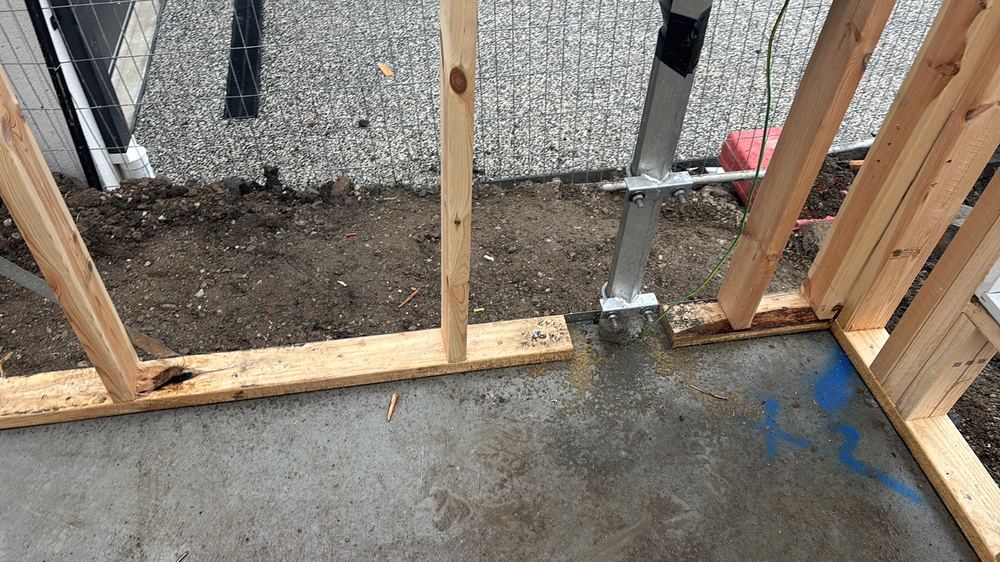
Deeper and stiffer beams, correct steel and cover, and pods that stay put during the pour. That is why our slab visits concentrate on beam steel.
Drainage decides a lot
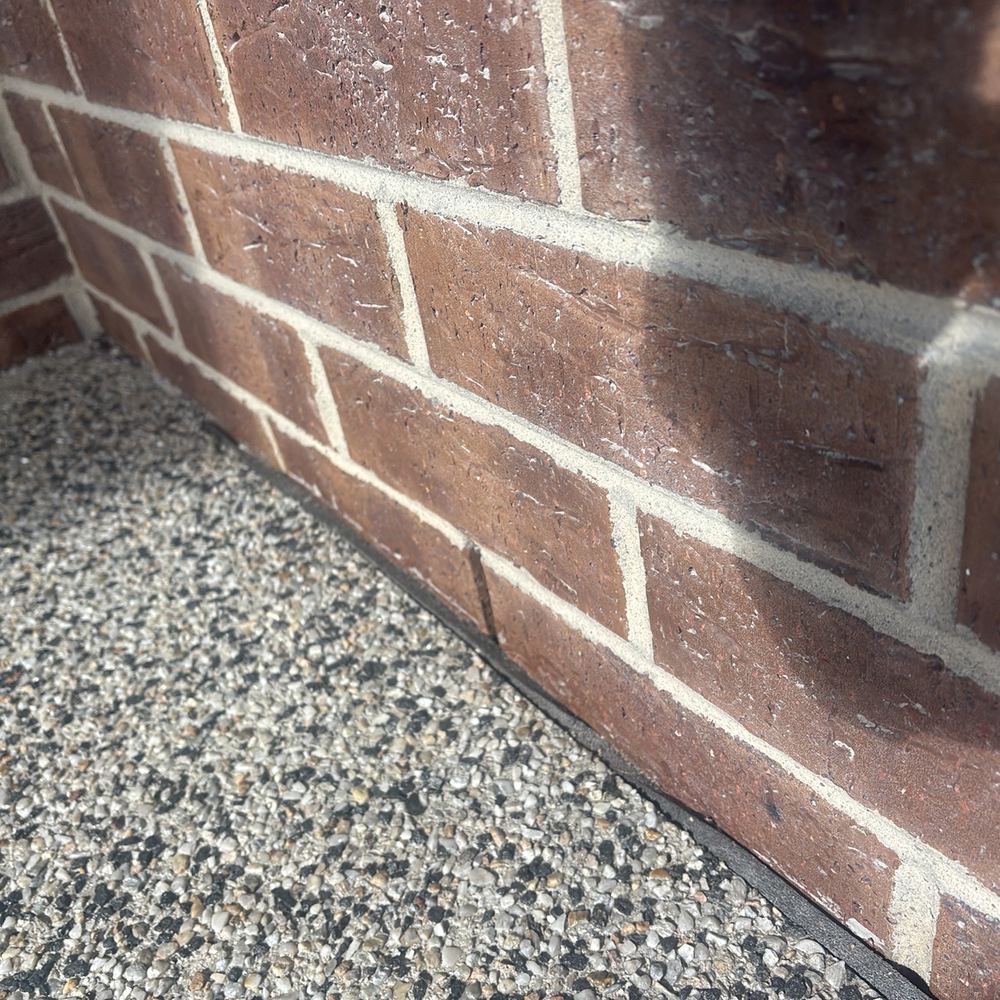
Water pooling against the slab or a garden bed watered hard against the wall can drive local movement. The ground should fall away from the house.
How cracks show up
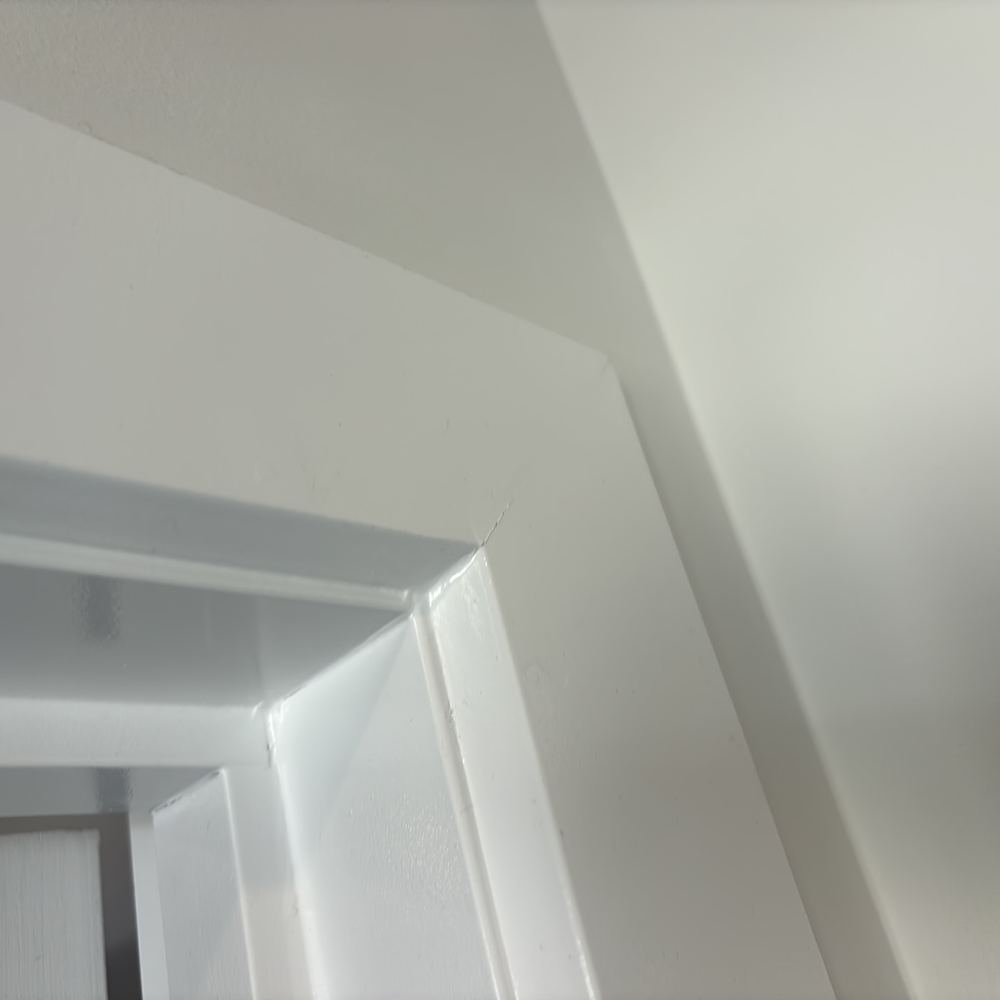
Hairline cracks at door and window corners, cornices opening and doors starting to bind are common early signs. Width and pattern tell you whether it is cosmetic.
When to get it measured
If cracks widen, reopen after patching or come with doors jamming, a defect investigation measures them against the Guide to Standards and Tolerances 2015.
More about Kalkallo
- Building a new home in Kalkallo: estates, stages and the defects that repeat
- Buying an established home in Kalkallo: prices, age of stock and what to check
- Kalkallo growth: from a gold rush stop to one of Melbourne's largest planned communities
- Permits, Hume City Council and building disputes in Kalkallo
- Termites in Kalkallo: management systems, gardens and conducive conditions
- What our Kalkallo inspections find, stage by stage
- Kalkallo site conditions: wind, climate, grassland and creek overlays
Written by our local inspection team from work carried out in Kalkallo. Licensed building practitioners, Building & Plumbing Commission registration CDB-U 53425.